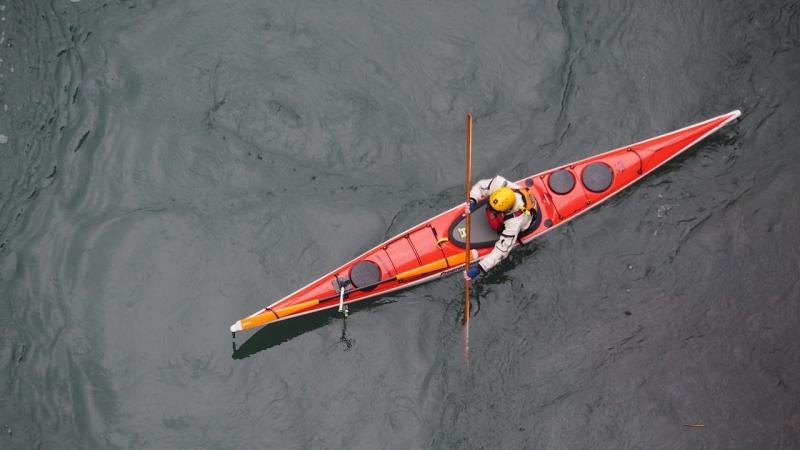
The design of the kayak was well suited for navigating the icy waters of the Arctic, with its sleek shape and low profile allowing for easy maneuverability and stealth. The word "kayak" actually comes from the Inuit word "qajaq", meaning "man's boat". The kayak played a crucial role in the survival of these indigenous peoples, enabling them to hunt seals, whales, and other marine animals for food and resources.
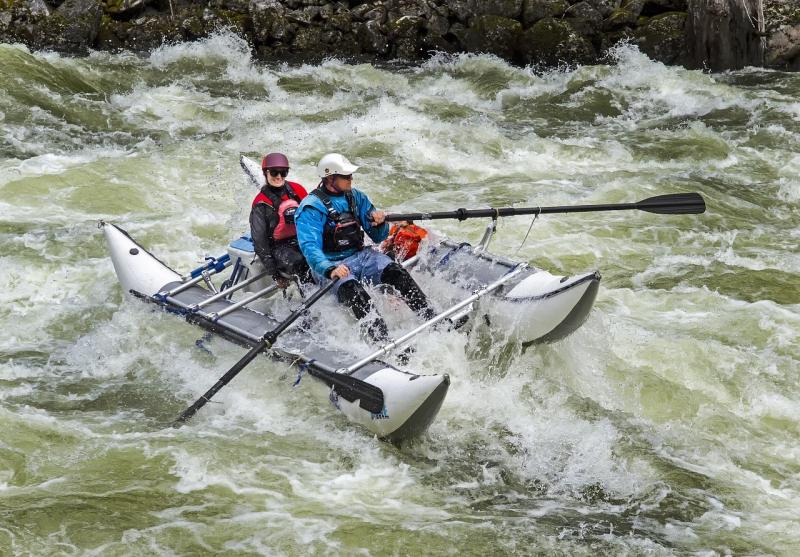
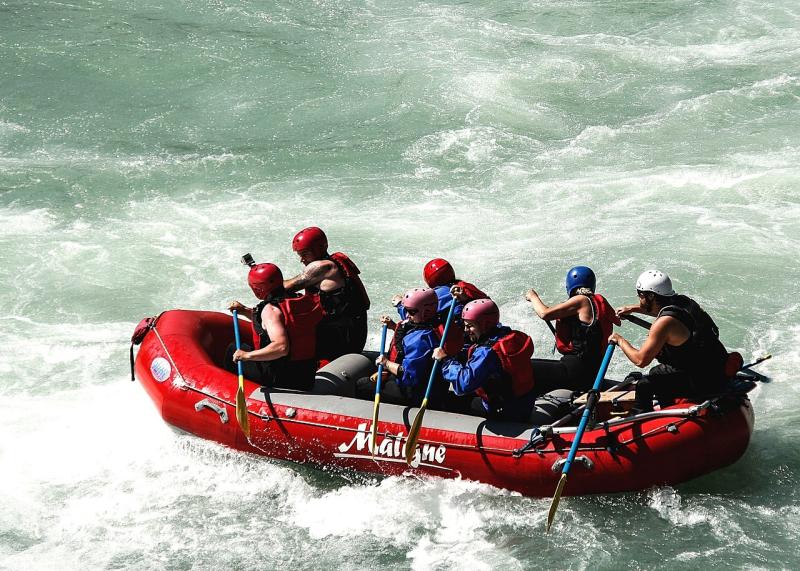
Over time, the kayak spread to other parts of the world, with different cultures adapting and modifying the design to suit their own needs. In Europe, kayaks were used for recreational purposes and became popular among explorers and adventurers. Today, the kayak has evolved into a popular watercraft used for a variety of activities, from whitewater rafting to sea kayaking. The kayak history is a fascinating tale of innovation and ingenuity that continues to inspire water enthusiasts around the globe.
Evolution of Kayak Designs
The kayak has a long and storied history, with designs evolving over centuries to become the sleek and efficient vessels we see today. The earliest kayaks were originally developed by the indigenous peoples of the Arctic regions, who used animal skins stretched over wooden frames to create lightweight and maneuverable boats. These early kayaks were essential for hunting and transportation in harsh and icy environments.
As time went on, kayak designs began to evolve as different cultures adapted the basic concepts to suit their own needs. Inuit kayaks, for example, were narrow and fast, ideal for hunting seals and navigating icy waters. Meanwhile, the Aleut peoples of the Aleutian Islands in Alaska developed wider, more stable kayaks suited for fishing and long-distance travel. These variations in design were a testament to the versatility of the kayak as a vessel that could be adapted to a variety of uses.
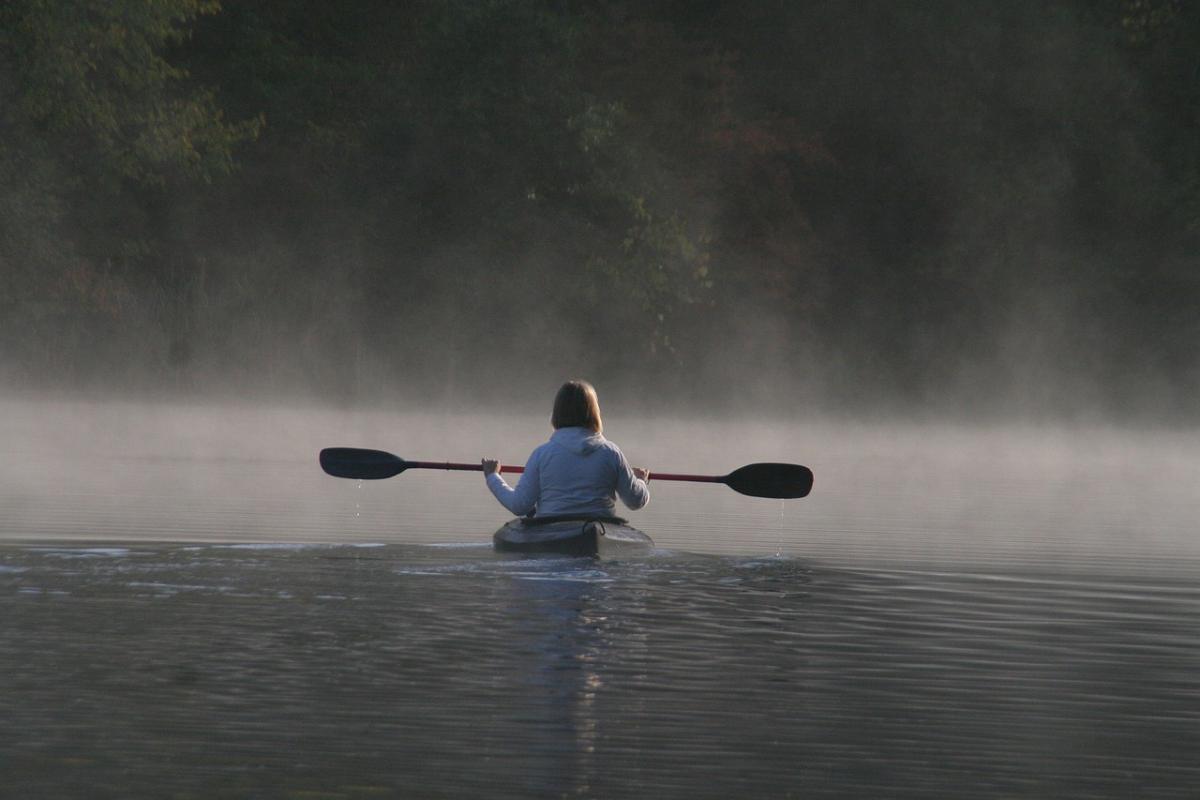
In the modern era, kayak design has continued to evolve with advancements in materials and technology. Fiberglass and plastic kayaks have replaced traditional wooden frames and animal skins, offering lighter and more durable options for paddlers. Additionally, the introduction of computer-aided design (CAD) has allowed for more precise and efficient kayak shapes, leading to increased speed and maneuverability on the water. Today, kayaks come in a wide range of designs, from sleek sea kayaks built for long-distance touring to stable recreational kayaks perfect for a leisurely paddle on a calm lake. The rich and varied history of kayak designs is a testament to the enduring appeal of these versatile and fascinating watercraft.
Famous Kayakers Through History
1. Aleš Vavpetic
Aleš Vavpetic is a legendary Slovenian kayaker known for his incredible skills and numerous achievements in the world of kayaking. He has won multiple world championships and Olympic medals throughout his career. Vavpetic's passion for kayaking has inspired many young athletes to pursue their dreams and strive for greatness in the sport.
2. Ed Gillet
Ed Gillet is an American kayaker who made history in 1987 by completing the first solo kayak journey across the Pacific Ocean. His 63-day voyage from California to Hawaii showcased his determination and courage in the face of extreme challenges. Gillet's remarkable feat continues to inspire kayakers around the world to push the boundaries of what is possible in the sport.
3. Freya Hoffmeister
Freya Hoffmeister is a German kayaker known for her incredible endurance and adventurous spirit. She has completed numerous long-distance kayaking expeditions, including circumnavigating Australia and South America. Hoffmeister's dedication to exploring the world by kayak has made her a respected figure in the kayaking community and a true pioneer in kayak history.
Kayaking Traditions Around the World
One of the most fascinating aspects of kayak history is the rich tradition that surrounds this popular watercraft around the world. From the icy waters of the Arctic to the sun-drenched shores of the South Pacific, kayaking has a long and storied history that is deeply intertwined with the cultures and traditions of many different societies. Inuit tribes in Alaska and Canada are believed to have been the first people to use kayaks for hunting and transportation over 4,000 years ago. These indigenous peoples crafted their boats from driftwood, whalebone, and sealskin, using intricate designs that were passed down through generations.
In Greenland, kayaking is not just a recreational activity, but a way of life that is deeply ingrained in the local culture. The traditional Greenlandic kayak, known as the qajaq, is a slim and sleek vessel that is specifically designed for maneuvering through icy waters and navigating treacherous sea conditions. Inuit hunters in Greenland have used these kayaks for centuries to hunt seals, walruses, and whales, showcasing the incredible skill and bravery required to master this ancient craft.
In Japan, kayaking has a long history that dates back to the Edo period in the 17th century. The traditional Japanese kayak, known as the "kai-ten," was used for fishing and transportation along the country's intricate network of rivers and waterways. Today, kayaking remains a popular pastime in Japan, with many people participating in river races and expeditions that honor the country's rich maritime heritage. Kayaking traditions around the world continue to evolve and adapt to modern techniques and technologies, but the deep-rooted connection between people and their boats remains a powerful and enduring aspect of kayak history.